The Internment Enquiry
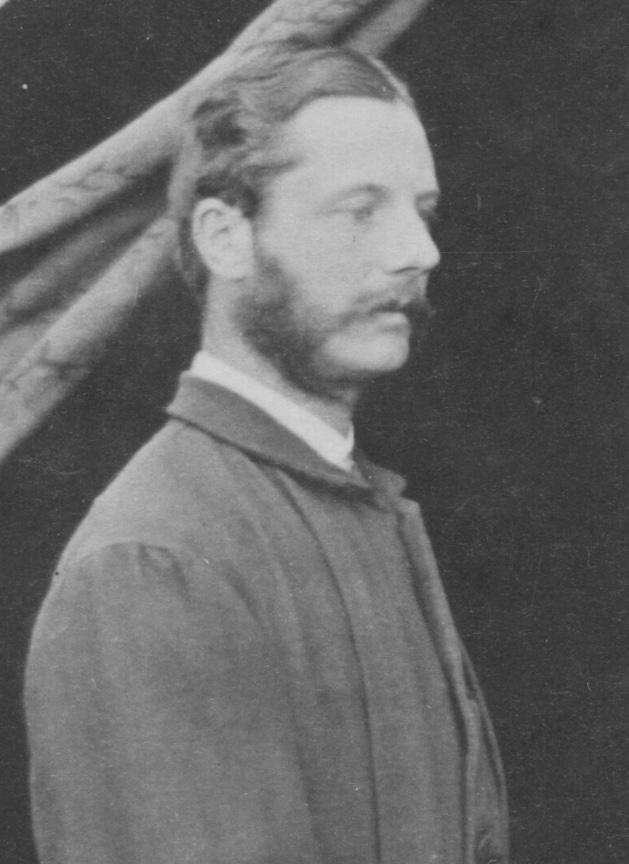
Testimony of Major W.A. Trefusis
Commanding Officer, Collingwood Battalion
StatementWithdrawal from the Antwerp PositionMajor Walter Trefusis opened his evidence by addressing the possibility and preparation for withdrawal from the Antwerp position. He stated that, while holding the line, the likelihood of retirement had been recognised and that preliminary arrangements were made accordingly. Orders were issued to prepare for withdrawal, and battalion commanders were instructed to be ready to move at short notice should the situation demand it. He described the withdrawal itself as having been carried out under difficult circumstances. Movement took place in darkness, along congested roads already crowded with troops, transport, and refugees. Communication was limited, and the lack of clear information regarding neighbouring units complicated coordination. Despite these difficulties, Major Trefusis stated that the withdrawal was initially conducted in an orderly manner until exhaustion and material shortages began to tell. As the movement continued, the physical condition of the men deteriorated rapidly. Lack of food, water, and rest severely affected their ability to maintain formation or pace, and the battalion’s cohesion weakened as fatigue accumulated. The conditions under which the march was undertaken, he implied, made prolonged movement increasingly impracticable. |
|
|||
Reasons for the Loss of the MenA. Shortage of Officers and Trained N.C.O.sMajor Trefusis attributed part of the breakdown to the shortage of officers and trained non-commissioned officers. With too few experienced leaders to supervise and control the men during a night withdrawal, maintaining discipline, direction, and cohesion became progressively more difficult, particularly once fatigue set in. B. Fatigue Fatigue was described as a decisive factor. The men had already endured prolonged periods of marching, exposure, and insufficient rest before the withdrawal began. By the time the march into Holland was undertaken, many were physically exhausted and unable to sustain further effort without rest. C. Want of Proper Equipment Major Trefusis noted deficiencies in equipment, including shortages of suitable clothing and personal gear. These shortcomings exacerbated the effects of fatigue and exposure and reduced the men’s ability to cope with the demands of continuous movement under field conditions. D. Lack of Transport and Means of Communication The absence of transport and effective means of communication further contributed to the loss of control. Without adequate transport, movement was slow and inflexible; without reliable communications, it was impossible to coordinate effectively with other units or receive timely instructions. This isolation increased uncertainty and hindered any attempt to adapt to changing circumstances. E. Rate of Marching Major Trefusis emphasised that the rate of marching was unsustainable. He stated plainly: “As regards the march into Holland, I can only say that my Battalion was not fit to march any considerable distance further without food, drink and rest, and that if the enemy was in any force between us and OSTEND we should have quickly run short of ammunition in the fight to get through.” This assessment underscored his view that continued movement toward the coast, had German forces intervened in strength, would likely have resulted in heavy losses or capture rather than successful escape. Conduct of Officers and Men Major Trefusis concluded his statement by placing on record that the conduct of the officers and other ratings of his battalion deserved special notice. Despite exhaustion, shortages, and confusion, he stated that they behaved with steadiness and discipline under extremely trying conditions. Assessment of the EvidenceMajor Trefusis’ testimony is practical, measured, and firmly grounded in the realities of battalion-level command. His evidence does not dwell on questions of higher strategy or staff responsibility, but instead focuses on the physical and organisational limits within which his men were required to operate.Unlike some witnesses, he offers little speculation and no attempt to apportion blame beyond identifying structural deficiencies: shortage of trained leaders, fatigue, inadequate equipment, and lack of transport and communication. His assessment of the impossibility of forcing a passage to the coast under such conditions provides a valuable counterpoint to more abstract discussions of alternative courses of action. His evidence reinforces the broader picture emerging from the Enquiry: that by the time the 1st Naval Brigade found itself isolated, the physical state of the men and the material circumstances of the march had already narrowed the range of viable options. Major Trefusis’ testimony thus strengthens the argument that internment was not the product of a single decision, but the cumulative result of exhaustion and systemic inadequacy rather than failure of will or discipline. | ||||
|
|
|